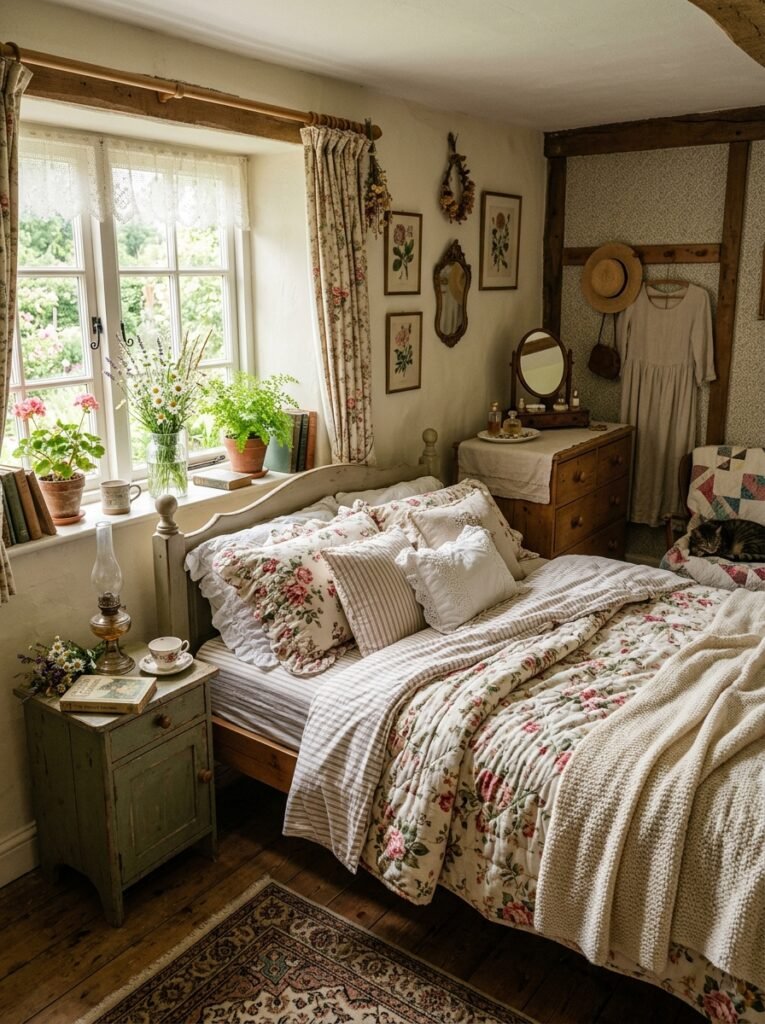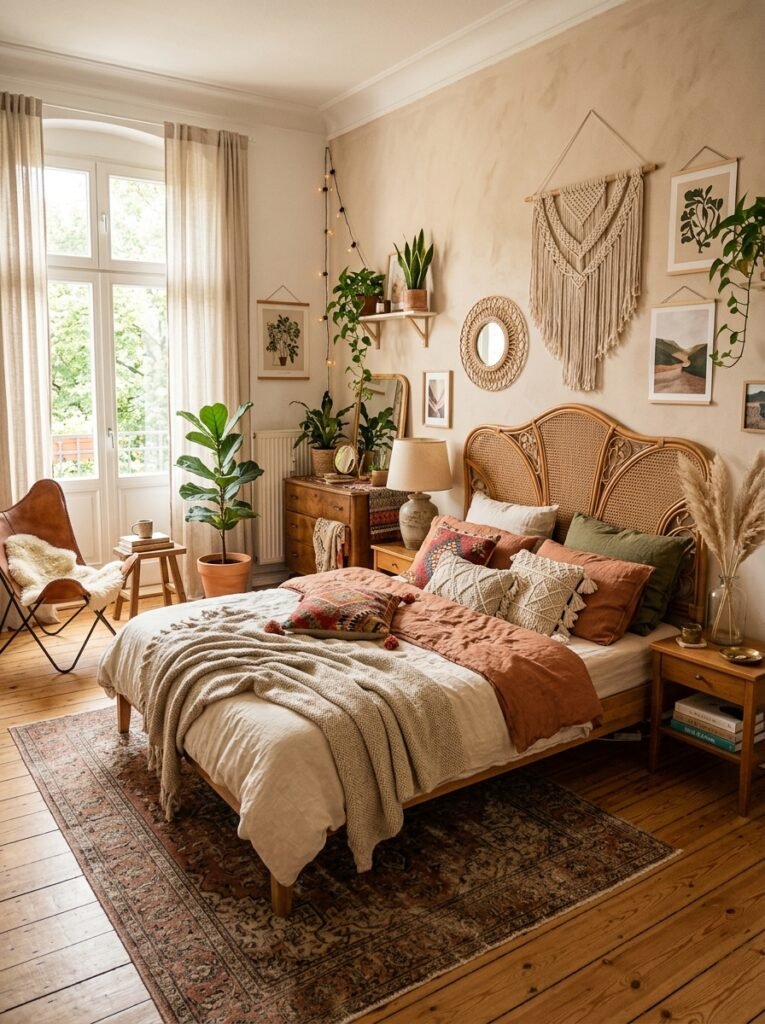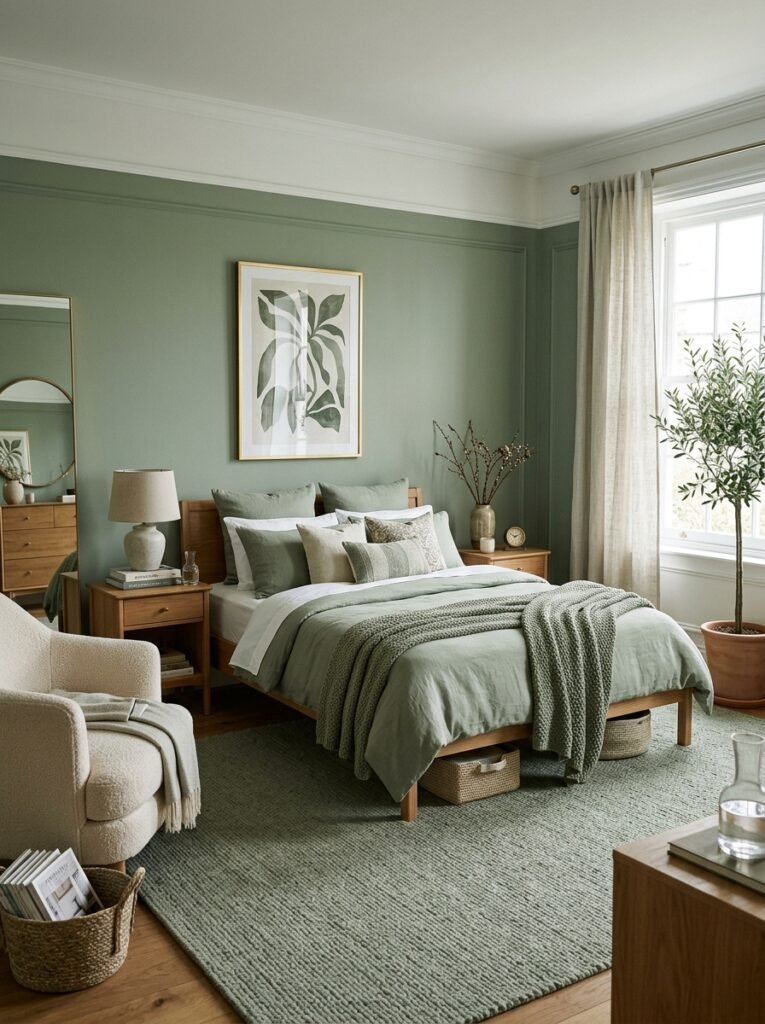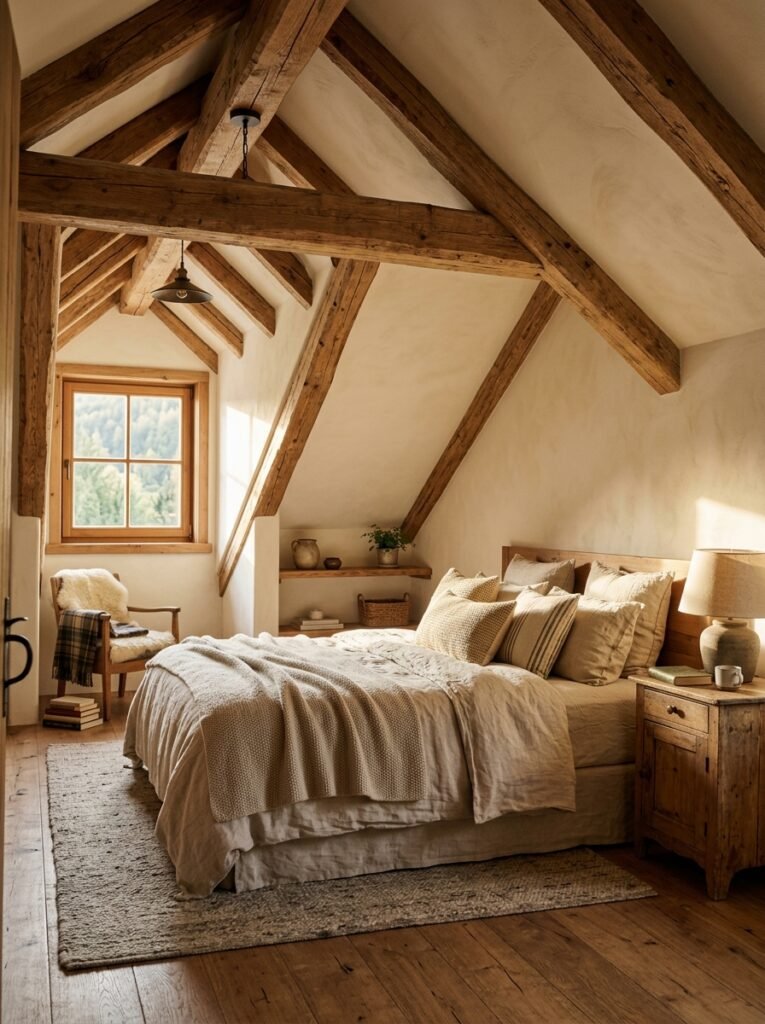
Butter yellow has quietly become the shade designers reach for when a bedroom feels cold. It sits somewhere between a neutral and a color, so it warms a room the way beige never quite manages while staying far softer than a true yellow.
The trick is knowing how much of it to use and what to put beside it, because the same shade can look too childish and nursery depending on the pairing.
These butter yellow bedroom ideas cover the walls, the bedding, and the color combinations that hold up!
Plan on revisiting? Pin this for later!
What Determines Whether Butter Yellow Works
The failure mode with this color is always the same.
Someone paints one wall, the bedroom next to it stays stark white, and the yellow ends up looking like a mistake instead of a choice.
Butter yellow only reads as intended when three things line up:
- The undertone: muddy, brown-based yellows age well. Clean, clear ones tip toward a nursery.
- The light temperature: warm bulbs hold the color. Cool ones turn it slightly green after dark.
- The partner color: one other tone doing the contrast, not several fighting for the room.
Get those right and the shade carries the room whether it lives on one wall or all four!
Walls and Paint
1. Choose a Muted Shade for the Walls
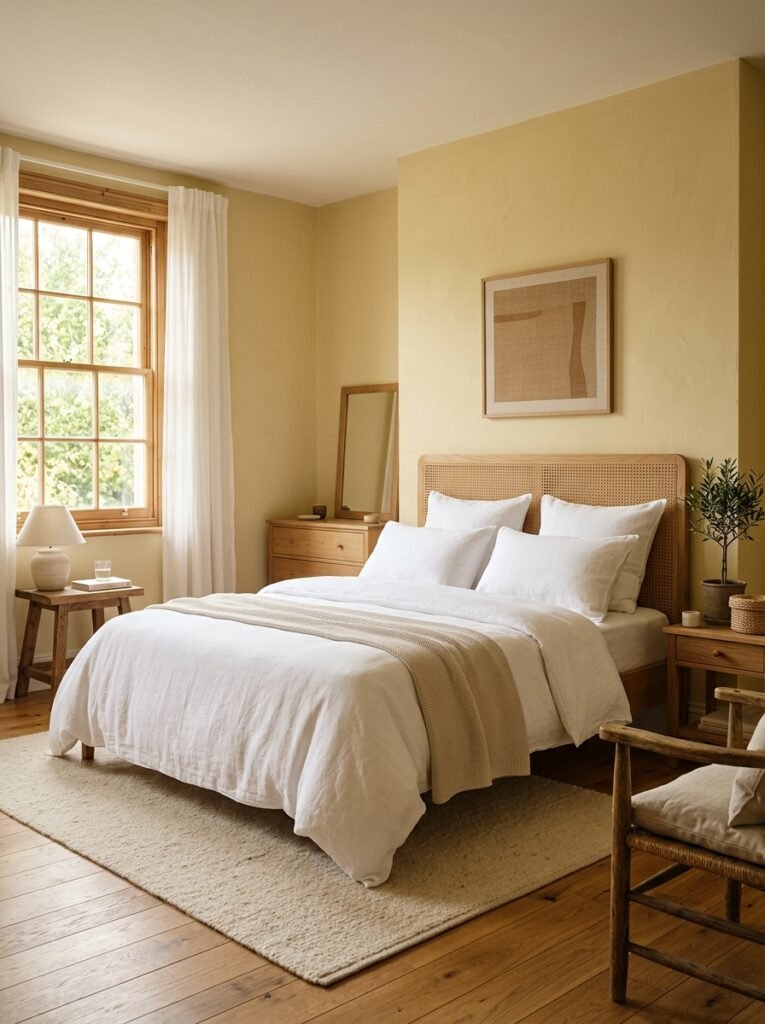
Soft yellow bounces daylight around a bedroom without the glare a saturated shade produces, so the room stays warm from morning through evening.
Shades carrying brown or gray undertones stay mellow instead of turning acidic, so look for a yellow that reads slightly muddy on the chip.
North-facing rooms need the mutest versions available, since cool light pulls clearer yellows toward green.
2. Color Drench the Whole Room
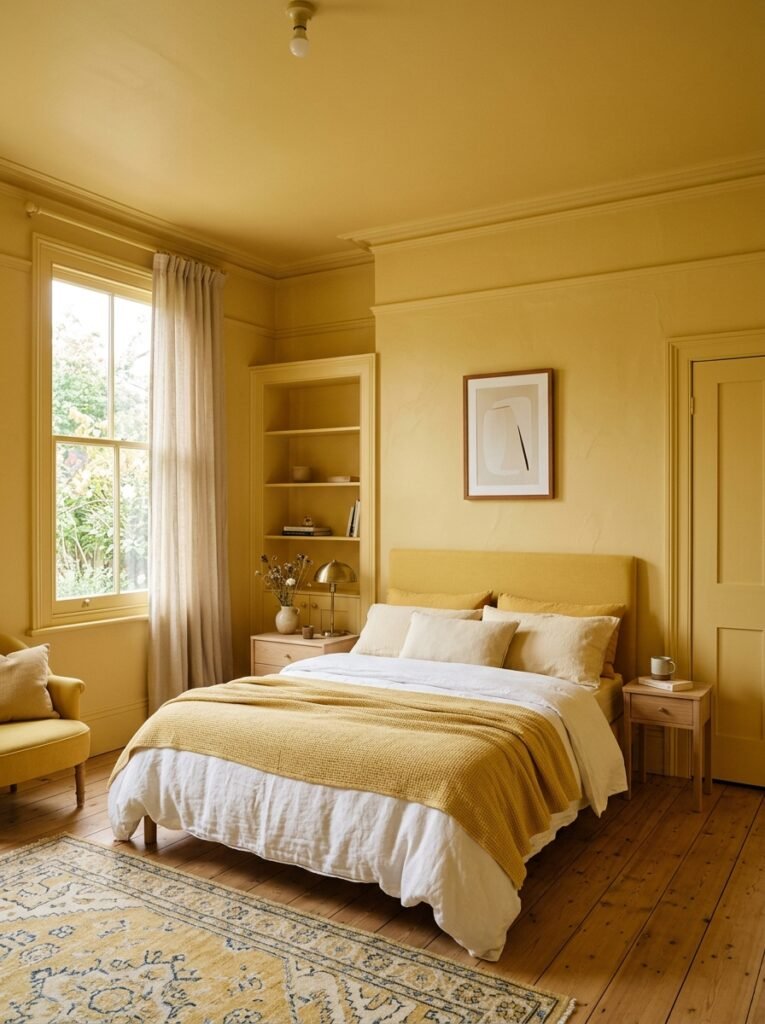
Carrying one shade across walls, ceiling, trim, and baseboards removes every visual break, which makes a bedroom feel larger and considerably more enveloping.
Butter yellow suits this better than most colors because it never gets heavy, even overhead.
Use an eggshell finish on the walls and satin on the woodwork, so the trim still reads as trim.
3. Paper the Wall Behind the Bed
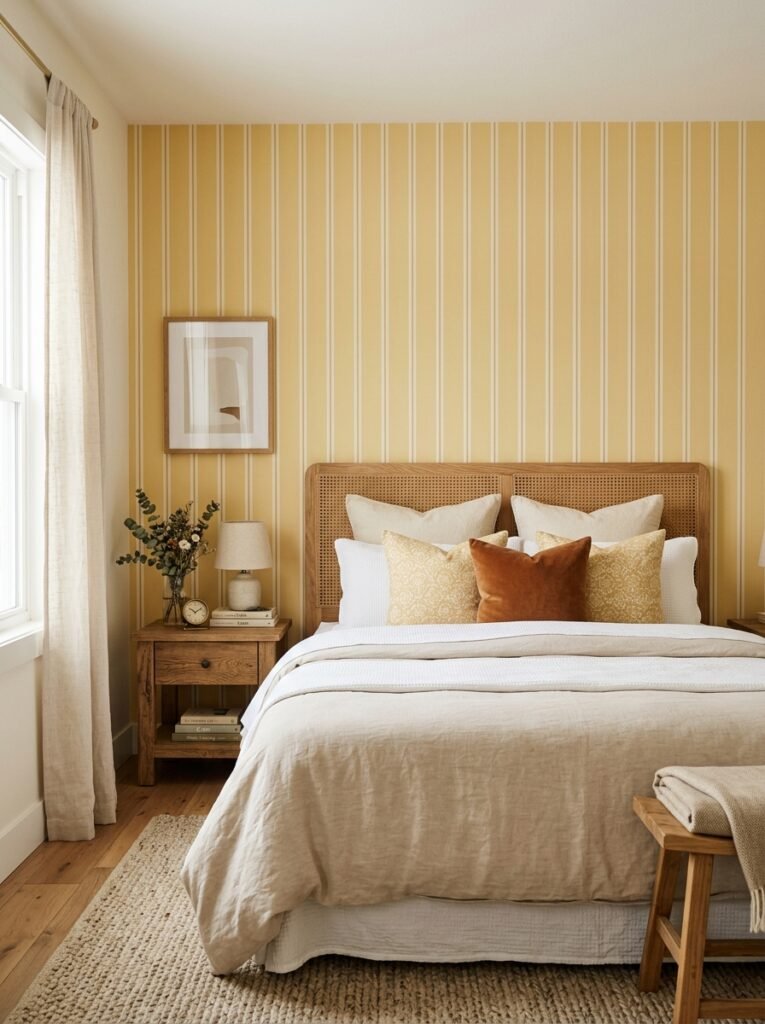
Where full walls feel like too much commitment, butter yellow peel and stick wallpaper behind the headboard gives you the color plus pattern in one move.
Preppy stripes lean traditional while small florals read cottage, so the print decides the whole mood.
Keep the remaining three walls in a warm white, since two competing surfaces will fight for attention.
4. Put the Color on the Ceiling Instead
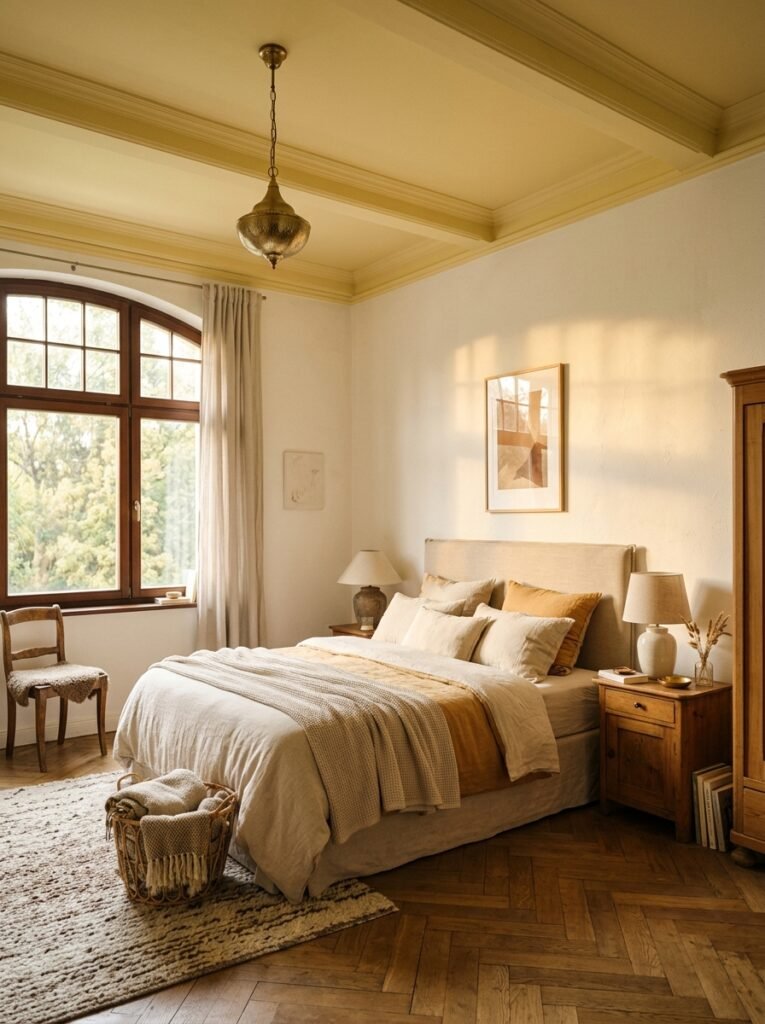
An overhead wash of pale butter casts a gentle golden light down across the room all day, which mimics permanent morning sun.
Warm white walls underneath keep everything grounded, so no single surface ever feels loud.
This is the subtlest way to work yellow into a bedroom, and it suits rooms with tall ceilings best.
5. Paint the Trim Instead of the Walls
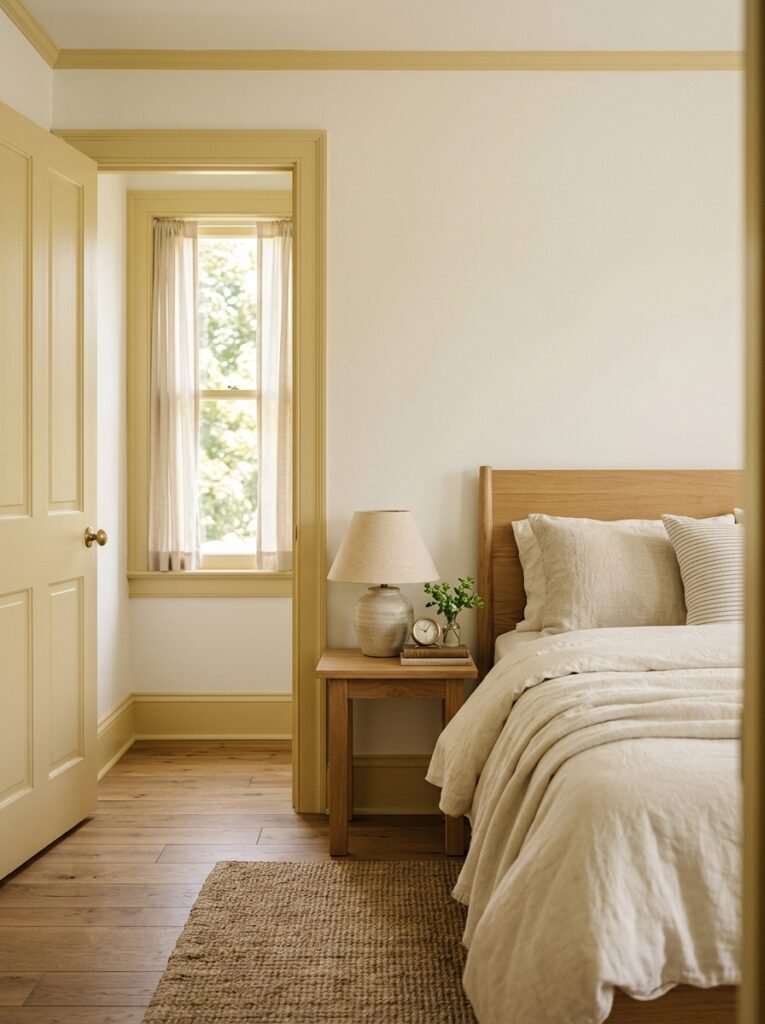
Butter yellow works beautifully on woodwork, and designers are increasingly using it where white trim once went. Against warm white walls, it outlines the room in a soft glow without committing a single wall. A few spots to try:
- Door frames and the door itself
- Window casings and sills
- Baseboards and crown molding
Use a satin finish, since it wipes clean and catches a little light.
6. Limewash the Walls for Soft Movement
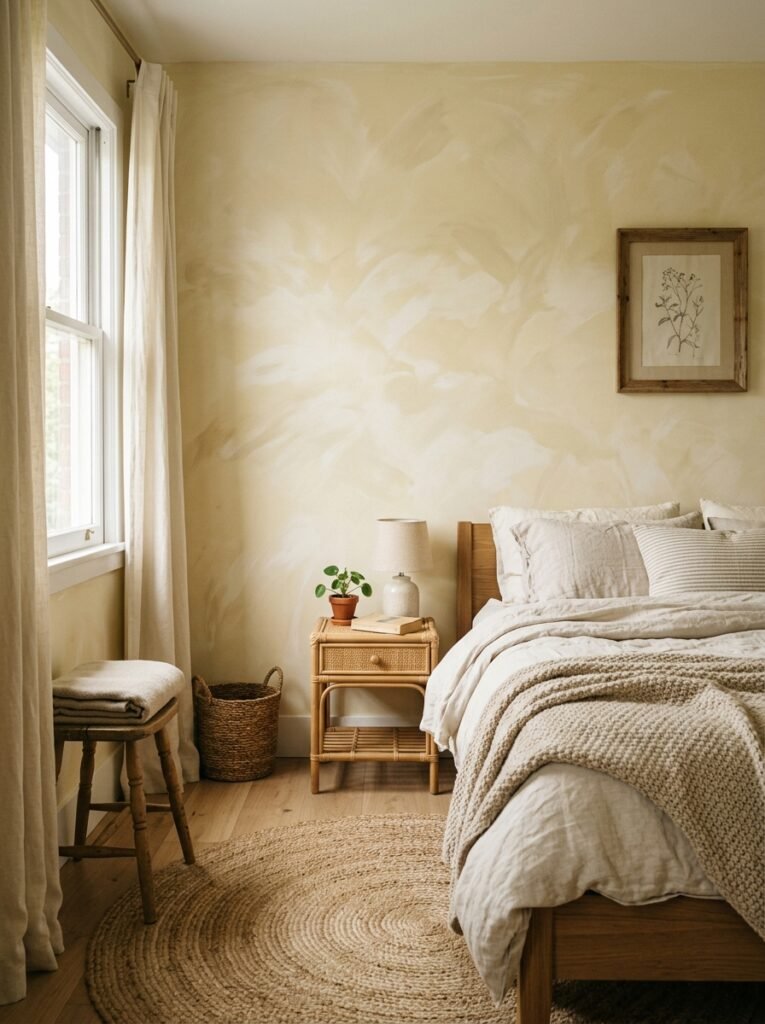
Limewash in a pale butter tone dries unevenly, leaving soft, cloudy variations across the wall instead of a flat block of color. That movement keeps yellow from ever looking loud, even across all four walls.
It suits bedrooms that feel a little too new or boxy. Apply it over a mineral primer with a large brush in crisscross strokes, and expect two coats.
Bedding and Textiles
7. Bring the Color in Through Bedding
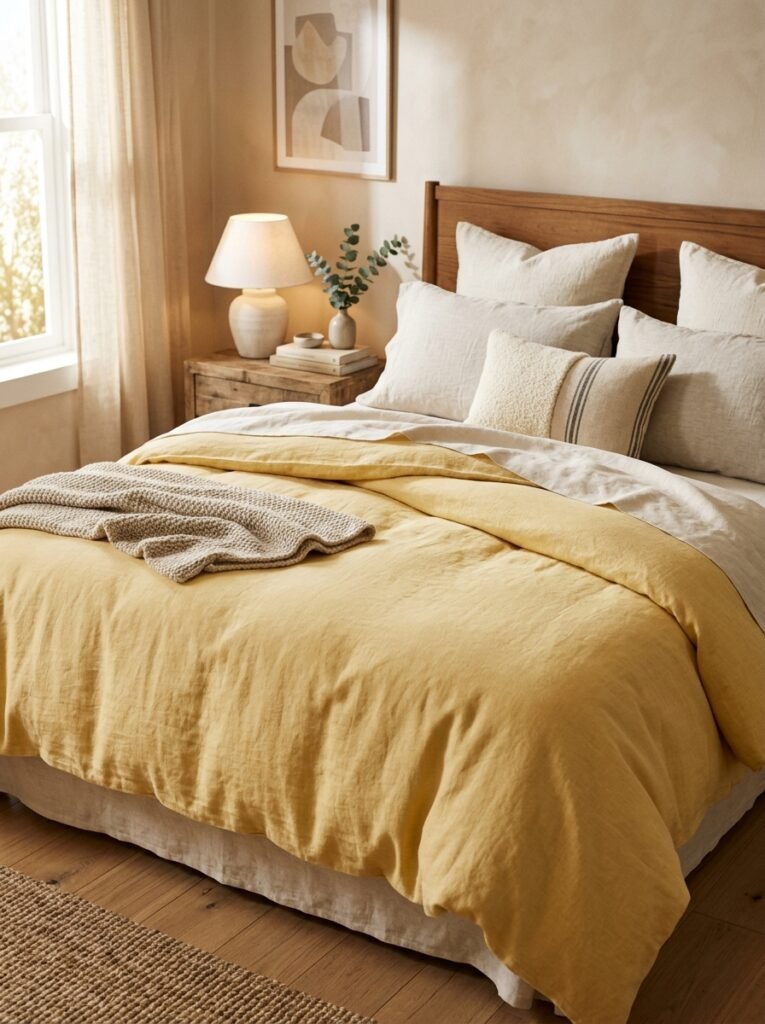
Nothing gets you the shade faster than a butter yellow duvet cover, and it costs a fraction of repainting.
Bone and cream sheets underneath keep the layers soft, so the bed reads warm without a single wall changing color.
Washed linen holds the shade better than cotton sateen, which tends to look shiny and cheapen pale yellows.
8. Frame the Window in Soft Yellow
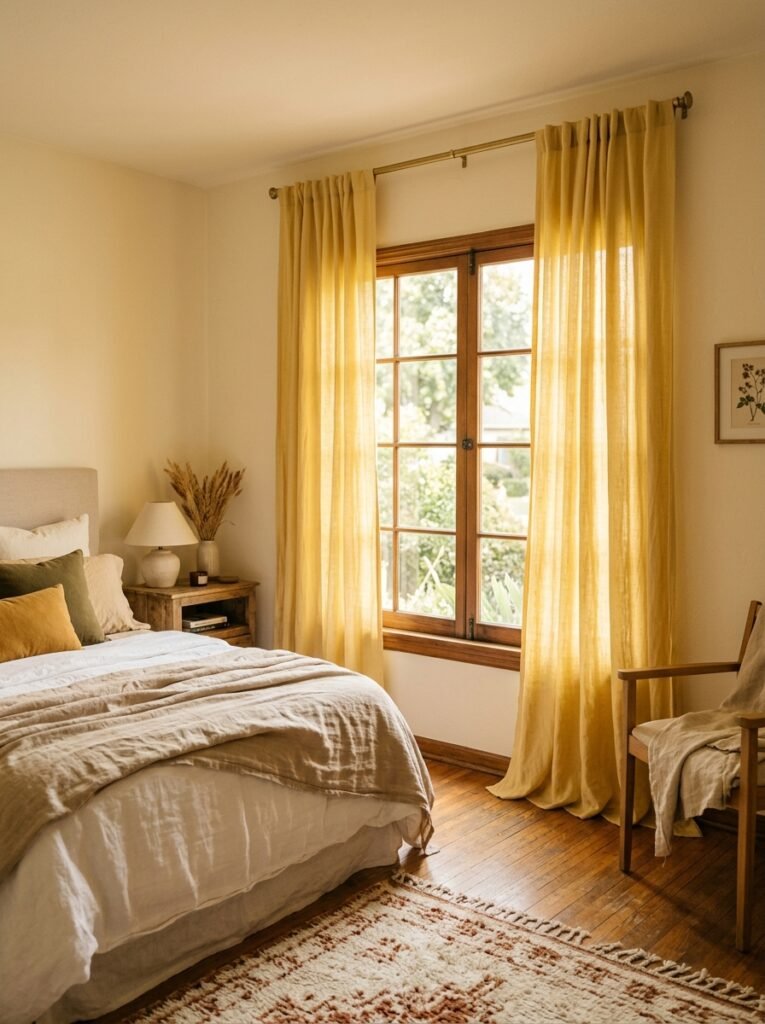
Light passing through butter yellow linen curtains takes on a golden cast that spreads across the whole room, which is an effect paint alone cannot produce.
Floor-length panels hung high and wide make the ceiling feel taller at the same time.
Choose a light-filtering weave over blackout lining, since the glow depends on daylight coming through.
9. Layer Texture Against Texture
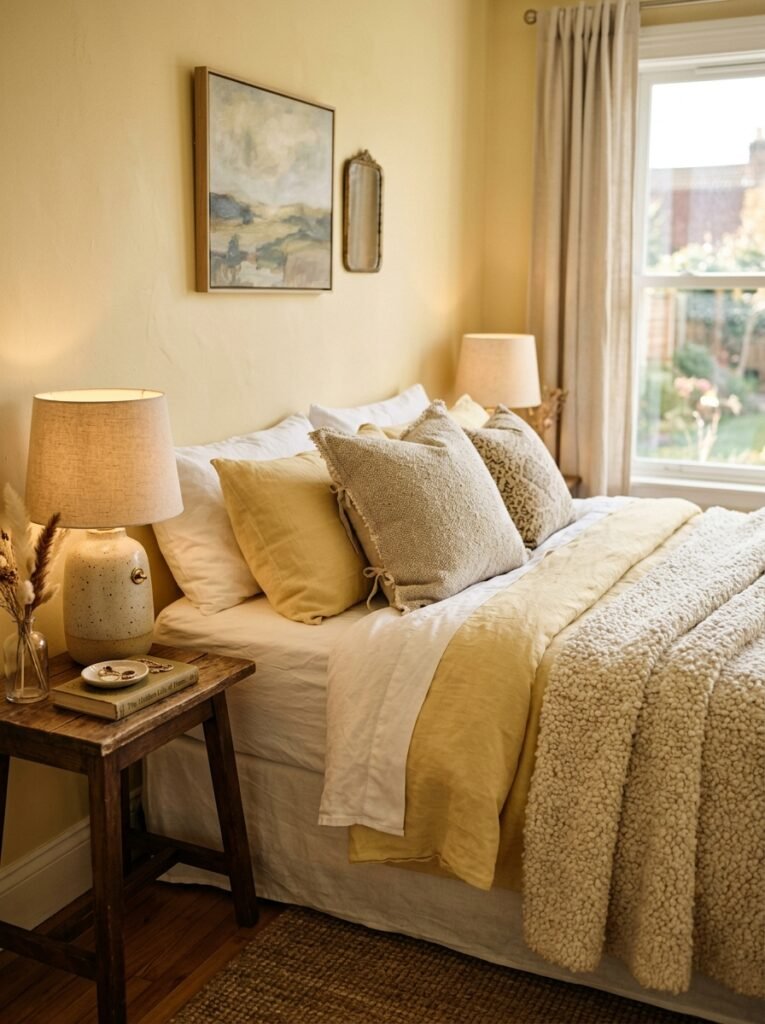
Because butter yellow is so soft, flat surfaces make it look washed out, so texture carries the contrast instead.
Three pieces are usually enough to make it work:
- A boucle throw across the foot of the bed
- A ceramic lamp base with some texture to it
- A nubby linen cushion
Keep all of them within two shades of each other, so the room stays tonal.
10. Ground the Room With a Natural Fiber Rug
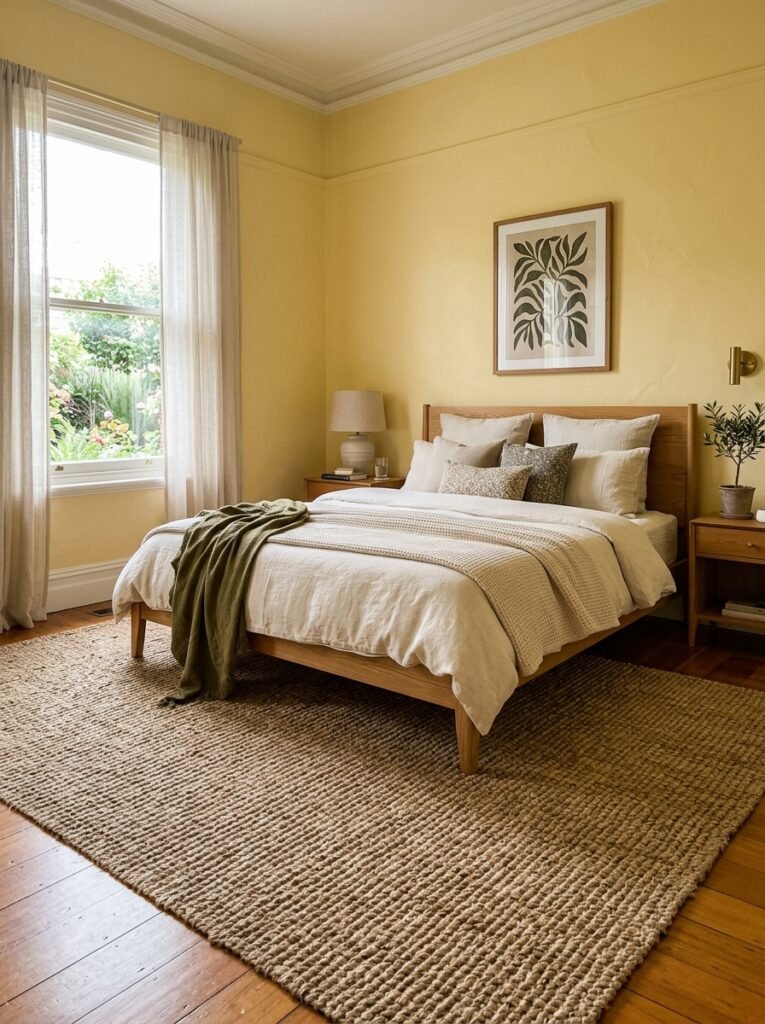
Butter yellow floats without something solid beneath it, and a jute area rug gives the scheme weight while echoing the warm undertone.
The rough weave also prevents the soft bedroom palette from feeling too precious!
Size it so at least two feet extends past each side of the bed, since a small rug makes the whole room look undersized.
11. Go Soft With a Yellow Headboard
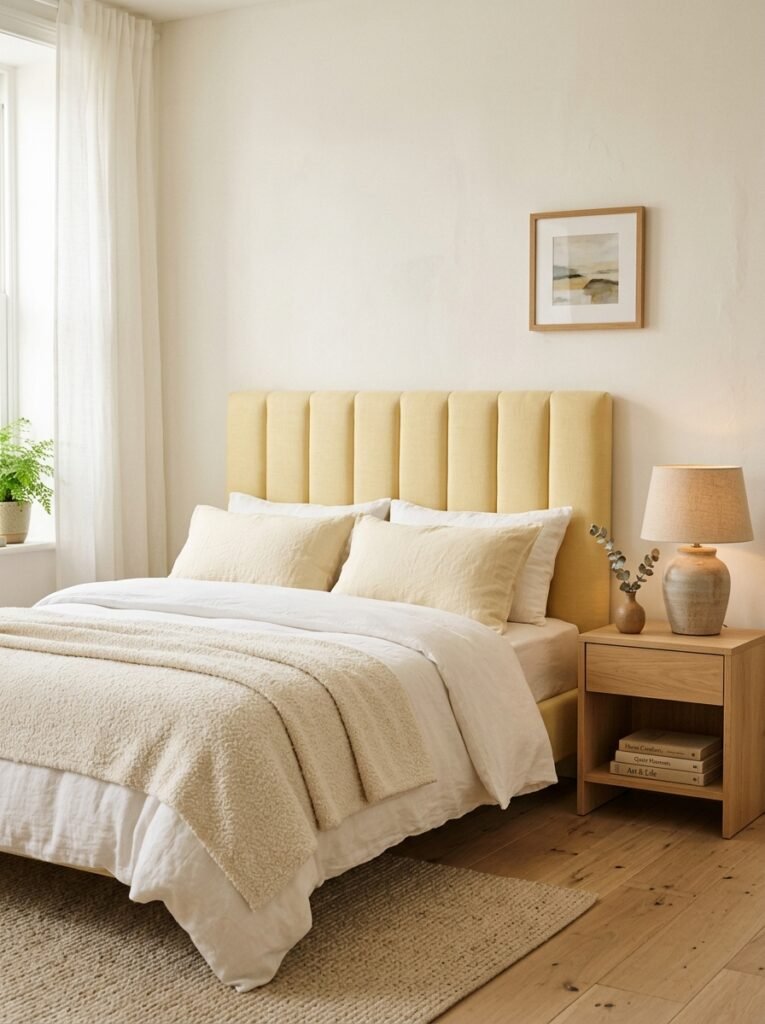
A butter yellow headboard brings the color right to eye level, where it frames the bed and warms the whole wall behind it. It’s a smart option if you’d prefer to keep the walls white.
Channel-tufted or scalloped shapes feel playful, while a plain rectangle stays more grown up. Linen or velvet both hold the shade well.
12. Add a Few Scalloped Edges
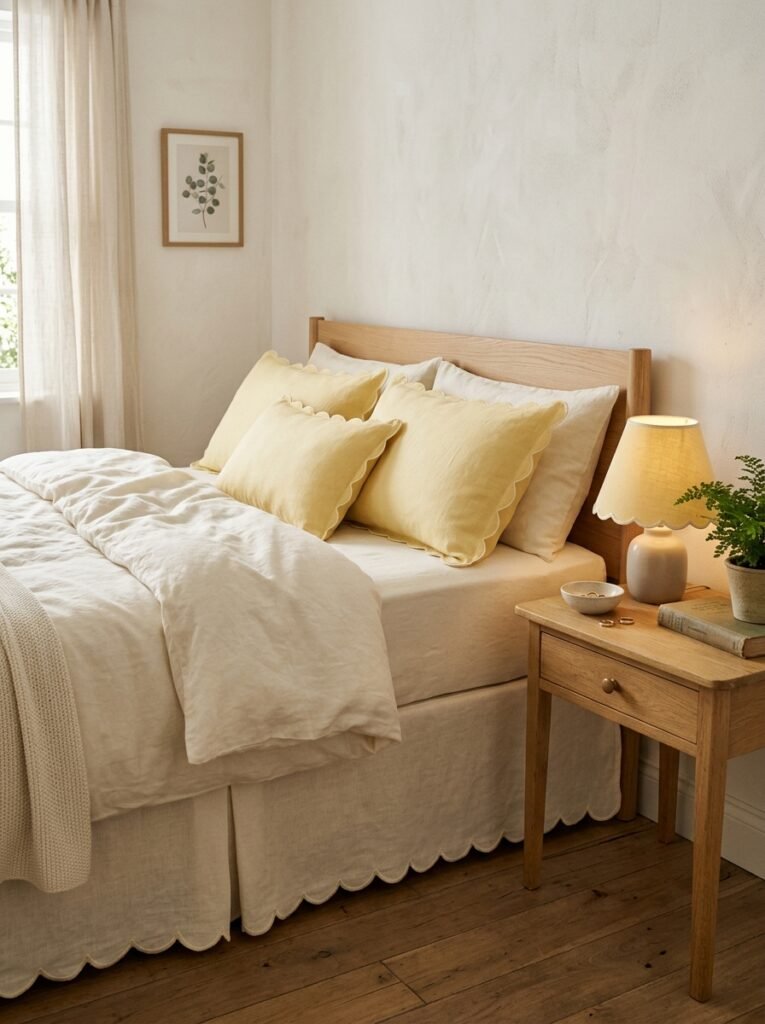
Scallops are having a moment, and they suit butter yellow perfectly because both feel soft and a little nostalgic. A few curved edges keep a pale room from looking too plain. Try them on:
- Pillow shams or a bed skirt
- The trim of a lampshade
- A mirror frame or headboard
Two or three scalloped pieces is plenty before it starts feeling sugary.
Color Pairings
13. Pair It With Crisp Warm White
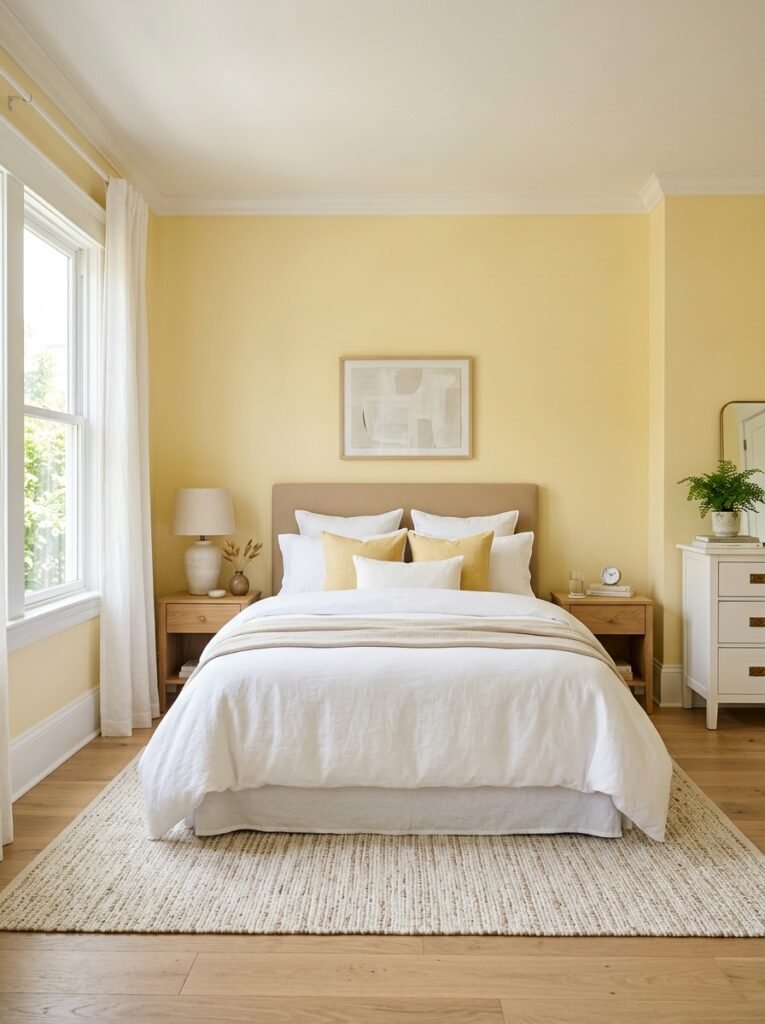
White trim gives butter yellow a clean edge that stops it bleeding into the rest of the room, so the color reads deliberate.
Warm whites with a cream base sit far more comfortably beside it than stark blue-based whites.
Test both side by side on the wall before committing, because undertone clashes only show up once the paint dries.
14. Add Sage or Olive Green
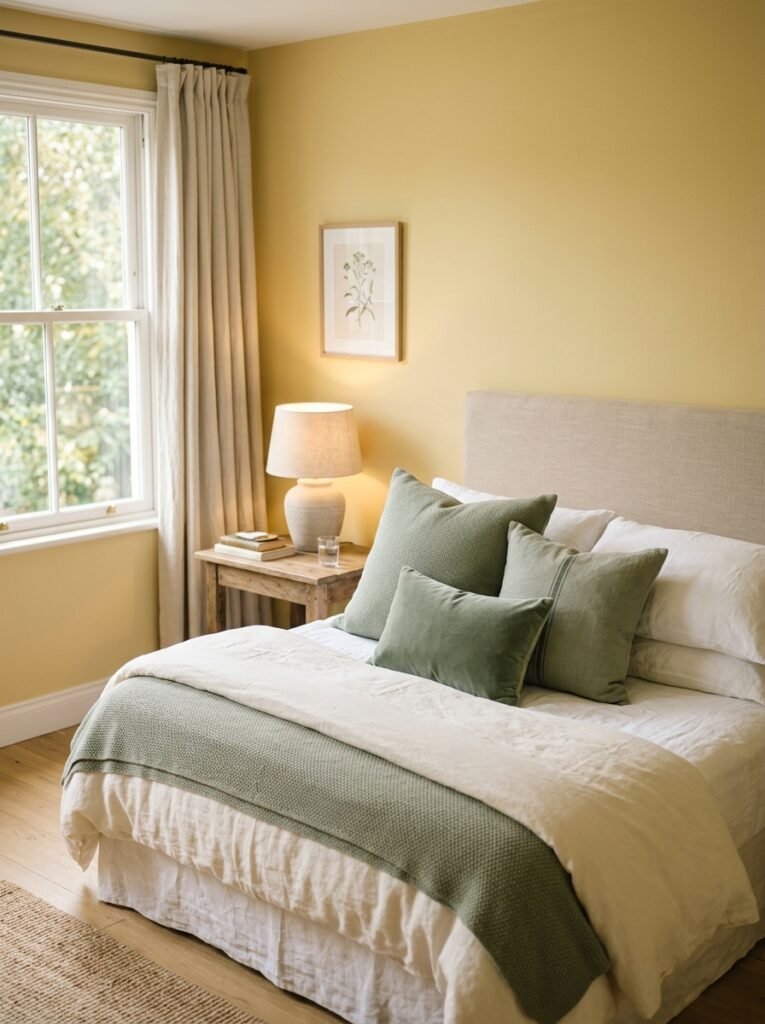
Green and yellow sit beside each other on the color wheel, which is why muted greens feel so restful against butter walls.
A couple of sage cushions or a folded throw at the foot of the bed brings the pairing in without any repainting.
Stick to dusty, grayed greens, since anything bright will make the yellow look sharper than it is.
Also read: 24 Sage Green Bedroom Ideas for a Calm, Cozy Retreat
15. Contrast With Deep Burgundy
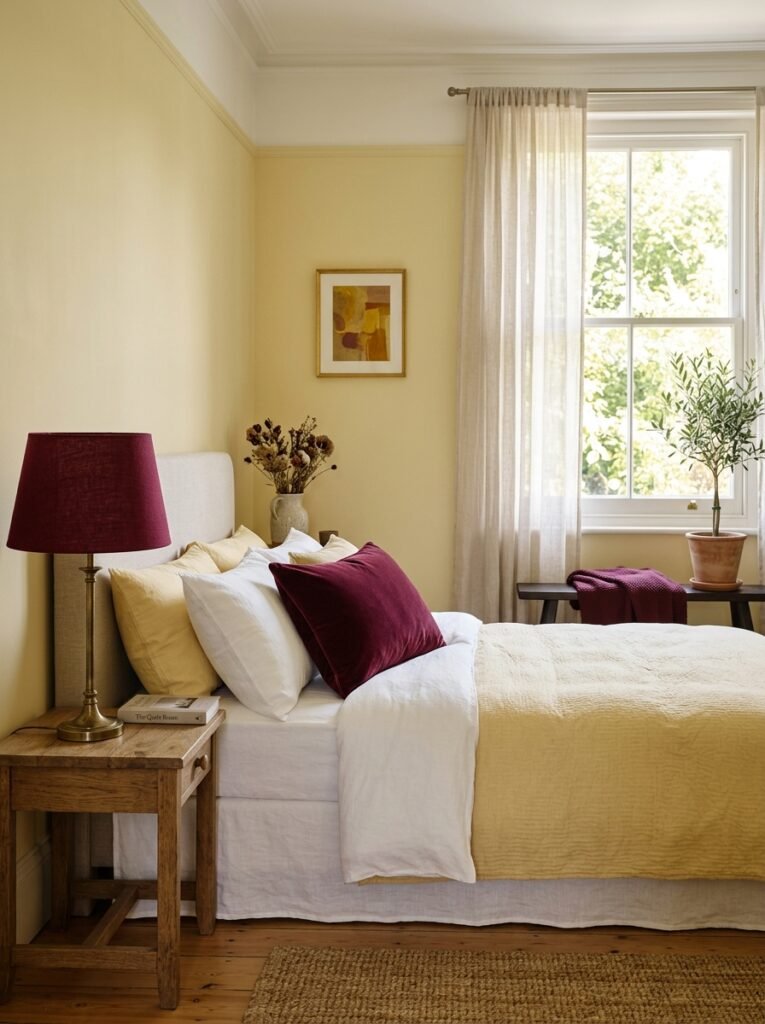
Burgundy is the unexpected partner designers keep reaching for, because the depth of it makes pale yellow look considerably more grown up.
Let one color lead and use the other sparingly, so burgundy arrives through a cushion, a lampshade, or artwork.
Two or three touches is the ceiling here, since more turns the scheme heavy fast.
16. Cool It Down With Dusty Blue
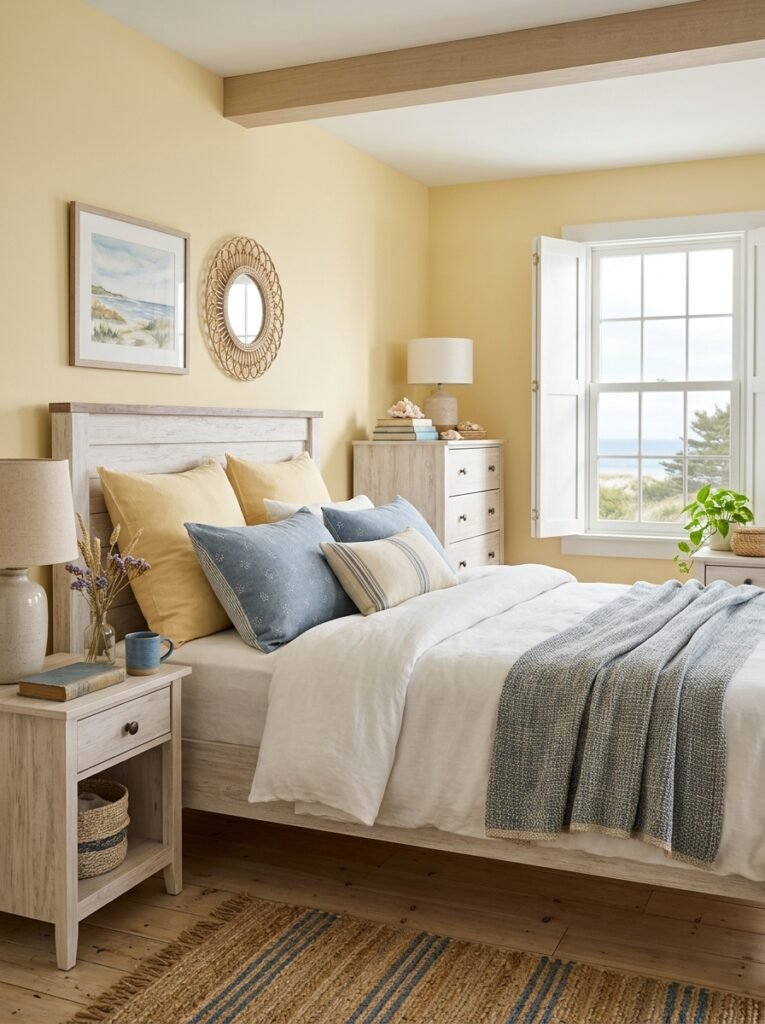
Blue sits opposite yellow, so a soft powdery version balances the warmth and keeps a sunny bedroom from tipping into sweetness.
Paired with whitewashed wood, the combination reads coastal and sun-faded instead of looking too bright.
Choose blues with gray in them, because clear sky blues create a contrast sharp enough to feel childish.
17. Soften It With Blush Pink
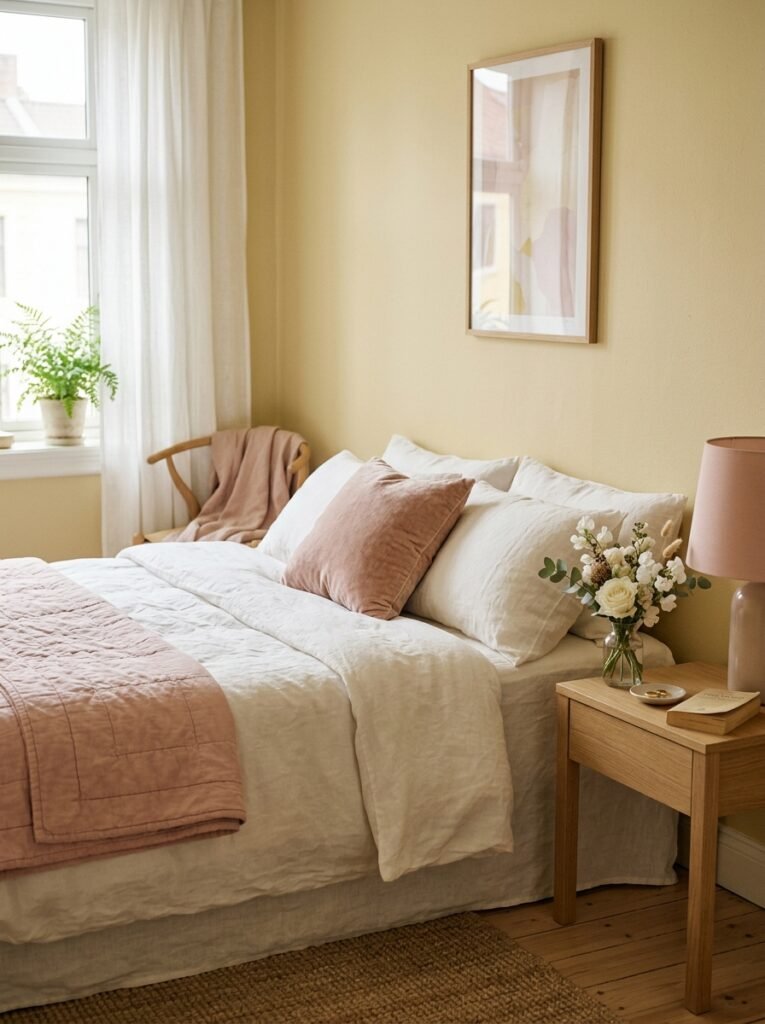
Butter yellow and blush pink share the same soft, faded warmth, so together they feel gentle instead of sweet. The pairing works best when both colors look slightly washed out, like old fabric.
Bring the pink in through small pieces, like a lampshade, a quilt, or a velvet cushion. Warm white bedding keeps the pair from tipping into a nursery.
18. Anchor It With Charcoal
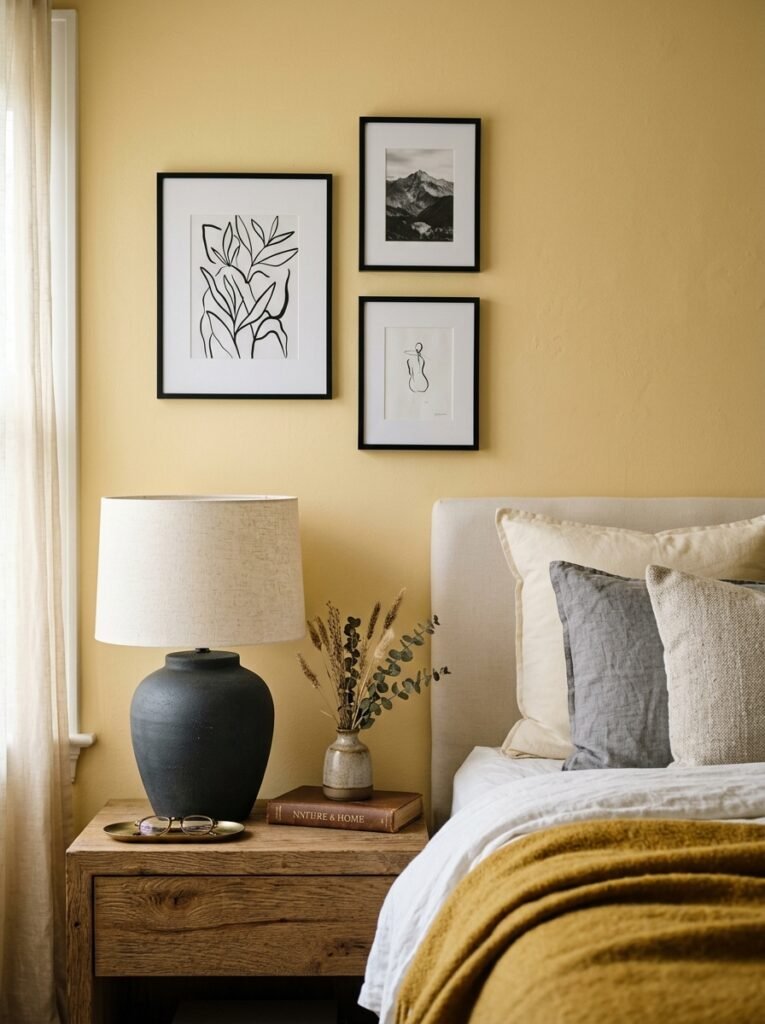
A small amount of charcoal or black gives the eye somewhere firm to land, which sharpens every other surface in a butter yellow room.
Three easy ways to bring it in:
- Slim black picture frames
- A dark lamp base
- Matte black hardware on furniture
Treat it as punctuation, since large blocks of black will overwhelm a soft palette entirely.
Furniture and Finishing Touches
19. Bring In Natural Wood and Rattan
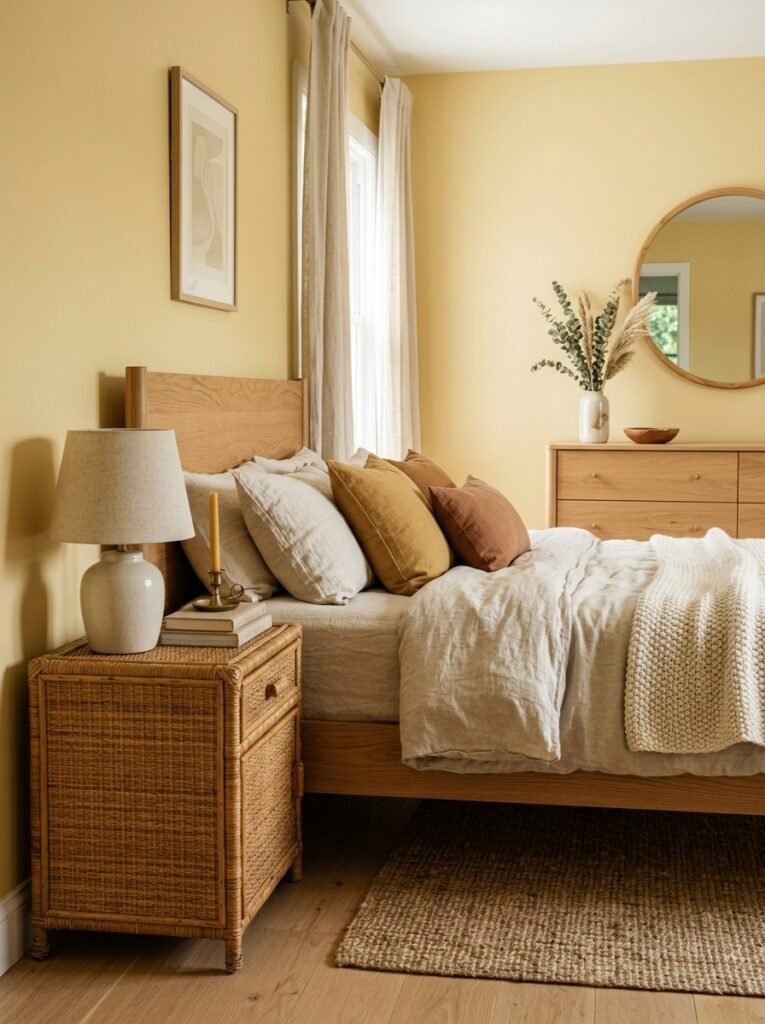
Warm woods share butter yellow’s undertone, so white oak, cane, and a rattan nightstand settle into the scheme without any effort.
The natural texture also keeps a pale room from feeling flat.
Avoid cool-toned woods like gray-washed ash, because the mismatch in undertone makes both the wood and the wall look slightly off.
Also read: 24 Boho Bedroom Ideas That Will Make You Obsessed
20. Light It With Warm Bulbs and Brass
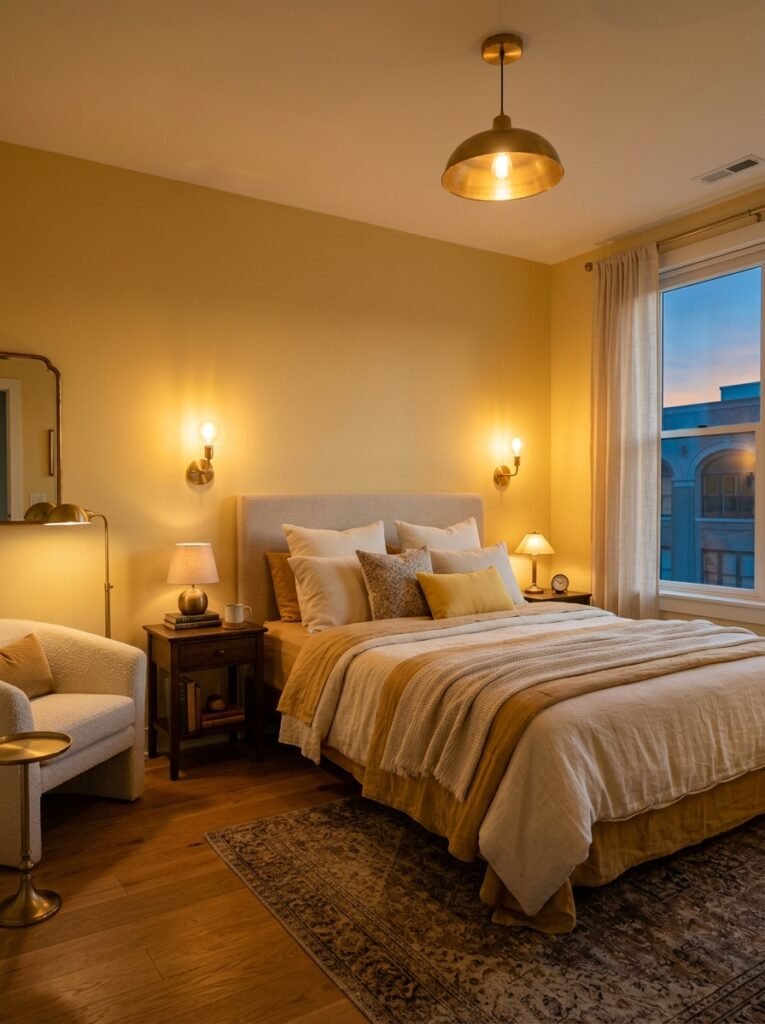
Cool LED light drains butter yellow of everything that makes it appealing, turning the walls slightly green after dark.
Fitting warm white bulbs keeps the shade golden through the evening, and unlacquered brass fixtures reinforce the warmth.
Check the color temperature on the box, since anything above 3000K undoes the whole palette.
21. Switch to a Yellow Fabric Lampshade
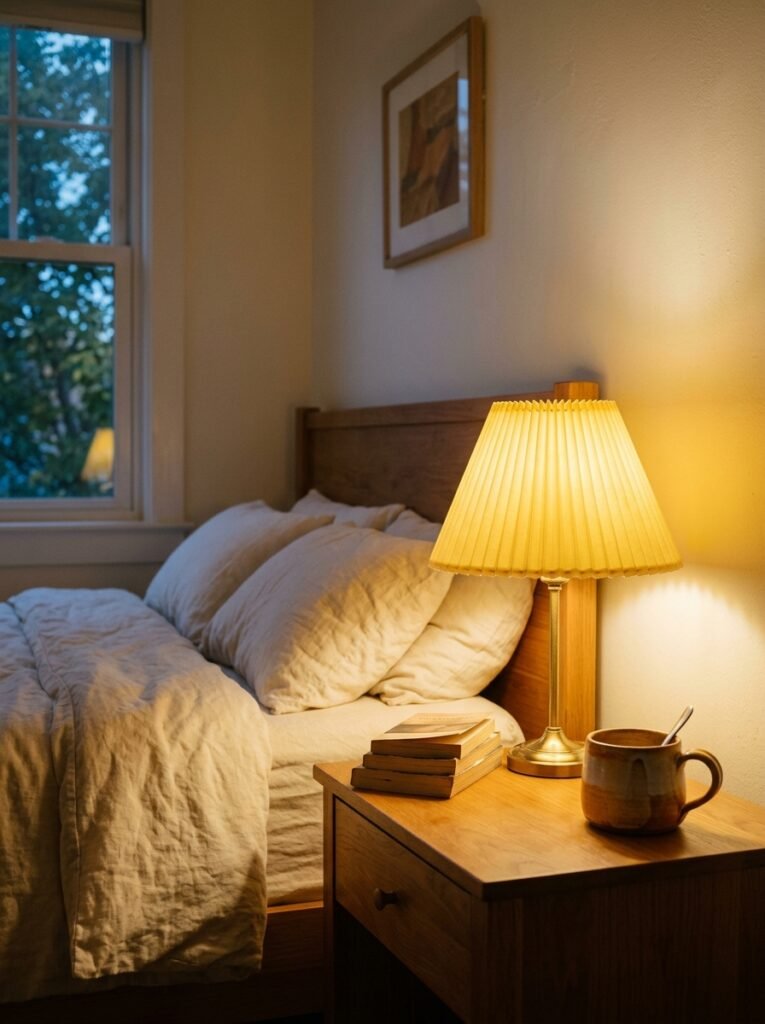
A pleated or linen lampshade in butter yellow tints the light it gives off, so the room glows golden every evening. It’s one of the smallest changes on this list and one of the most noticeable.
Fabric shades work best, since the light filters through the color. Pair one with a warm bulb and the effect doubles.
22. Style Amber Glass and Ceramics
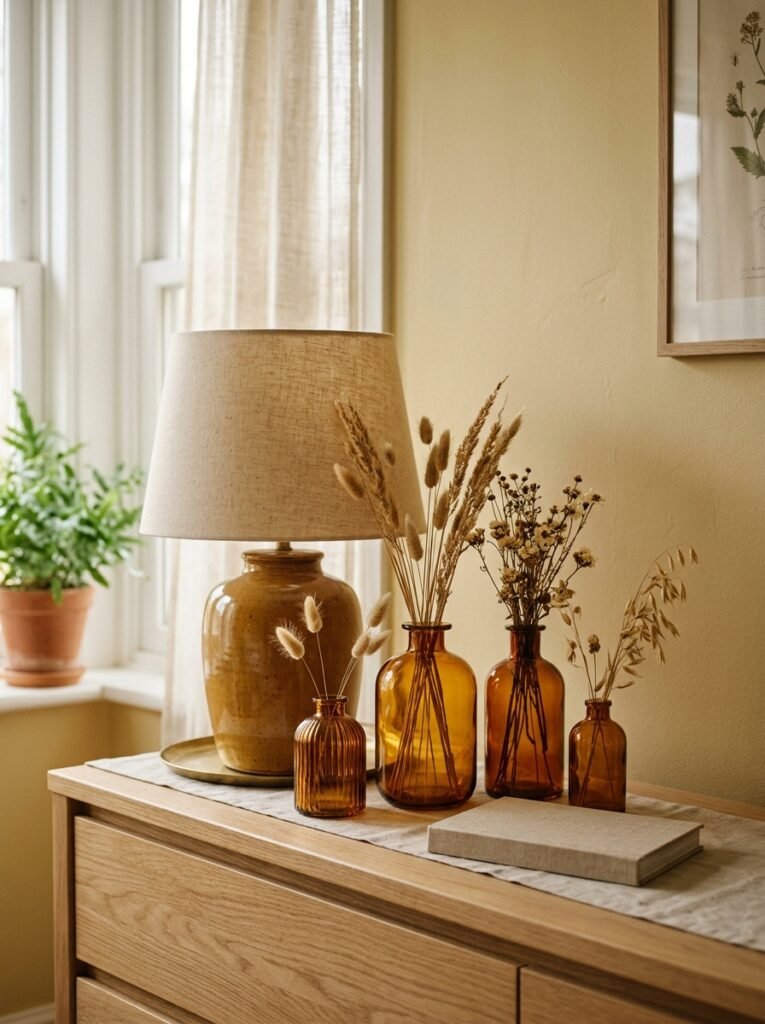
Amber glass vases, a honey-glazed ceramic lamp, or a small yellow-tinted bowl pick up the wall color and scatter it across the room in smaller doses. Light passing through amber glass glows especially warm.
Group two or three pieces on a nightstand or dresser, since one alone can look accidental. Mixed heights keep the vignette relaxed.
23. Hang Art With a Hint of Yellow
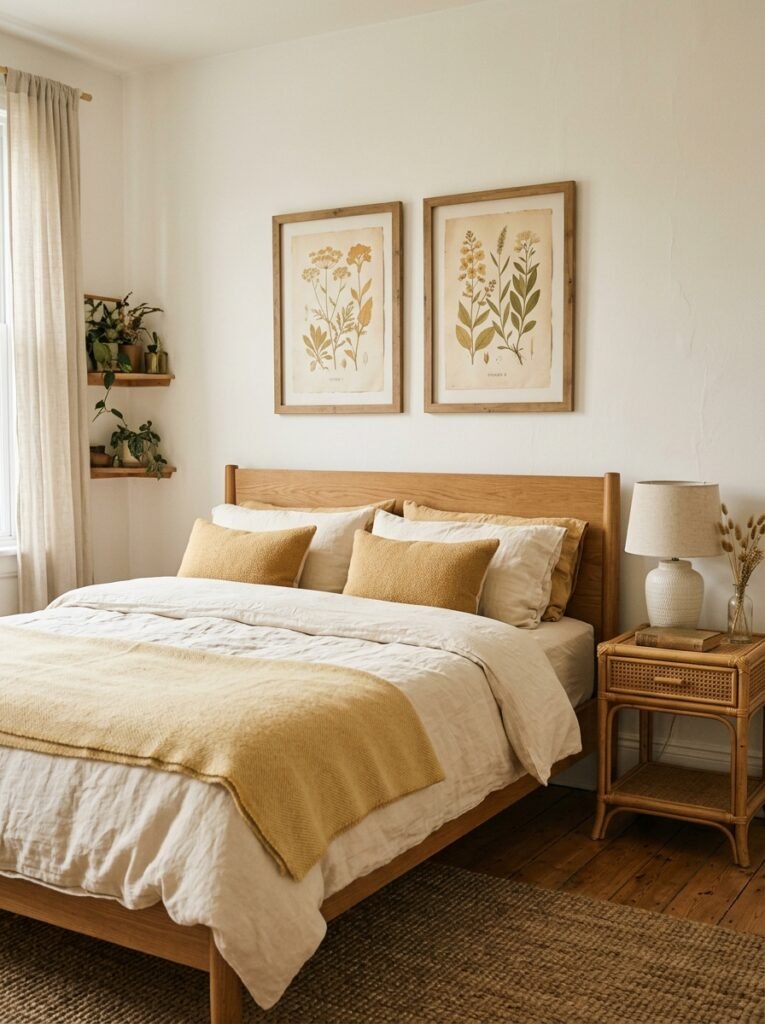
Artwork that carries a little butter or ochre ties the walls to the rest of the room. Vintage botanical prints, soft landscapes, or abstract pieces in faded yellows and creams all work well.
The art should echo the color, not match it exactly. Wood or brass frames keep the whole wall feeling warm and connected.
24. Hide a Pop of Yellow Inside
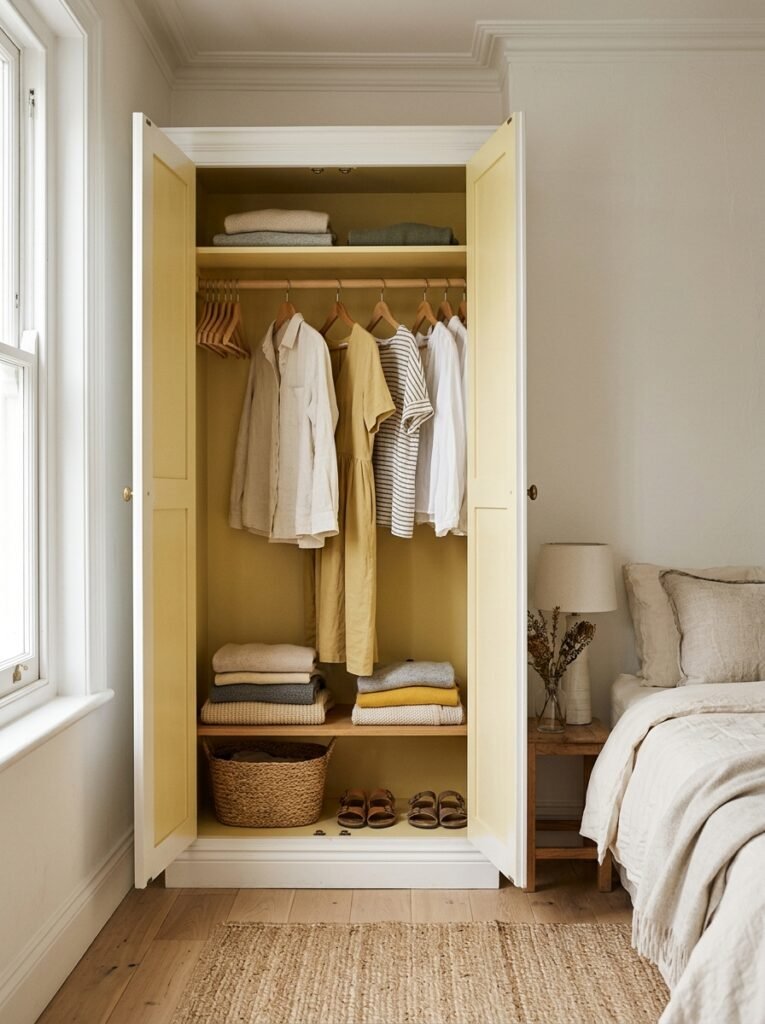
Painting the inside of a closet, the back of a bookshelf, or the interior of a cabinet adds butter yellow where nobody expects it. Every time a door opens, the room gets a small bright surprise.
It’s also the lowest-commitment way to test the color before painting walls. A single sample pot is usually enough.
Final Thoughts on Butter Yellow Bedroom Ideas
Decide how far you want to take the color before anything else. Bedding, curtains, and a lampshade give you the shade for very little, while color drenching commits the whole room.
Both work, though they lead to completely different bedrooms.
After that, pick one partner color and stop. Warm white keeps it fresh, sage green keeps it restful, and burgundy or charcoal gives it depth.
Adding several at once is what turns a considered scheme into a muddle.
Butter Yellow Bedroom Ideas FAQ
Warm white is the safest partner because it keeps the scheme crisp without competing.
Sage and olive green feel restful since they sit beside yellow on the color wheel, while deep burgundy and charcoal add contrast and maturity. Dusty blue cools the warmth for a coastal look, though it works best in small doses.
It works particularly well, since the softness keeps it restful while the warmth stops a bedroom feeling clinical the way pale gray can. The shade also bounces daylight around, which helps in rooms with limited natural light.
Keep it muted, because saturated yellows are too stimulating for a space meant for sleeping.
Look for shades carrying brown or gray undertones, since they generally hold up better than clean, clear yellows.
Always test a sample on the actual wall and check it morning and evening, because yellows shift more dramatically under changing light than most colors. Painting a large swatch beats judging from a small chip.
Small rooms suit it well, because the pale tone reflects light instead of absorbing it the way deeper colors do.
Color drenching helps further, since removing the contrast between walls, ceiling, and trim blurs where the room ends. Keep the furniture light in tone so nothing visually crowds the space.
It has held its position across several seasons now and is moving beyond a trend, partly because it functions as a warm neutral instead of a bold color.
Designers are increasingly using it on millwork and trim where white once went. Muted versions will date far more slowly than bright, saturated yellows.